
Foraging as Mindfulness
Picking ramson capers in June

By June, the white flowers of wild garlic have mostly fallen, and the forest floor has changed once again. In their place come the small green seed heads: tight and bright, held high above the leaves on thin stalks.
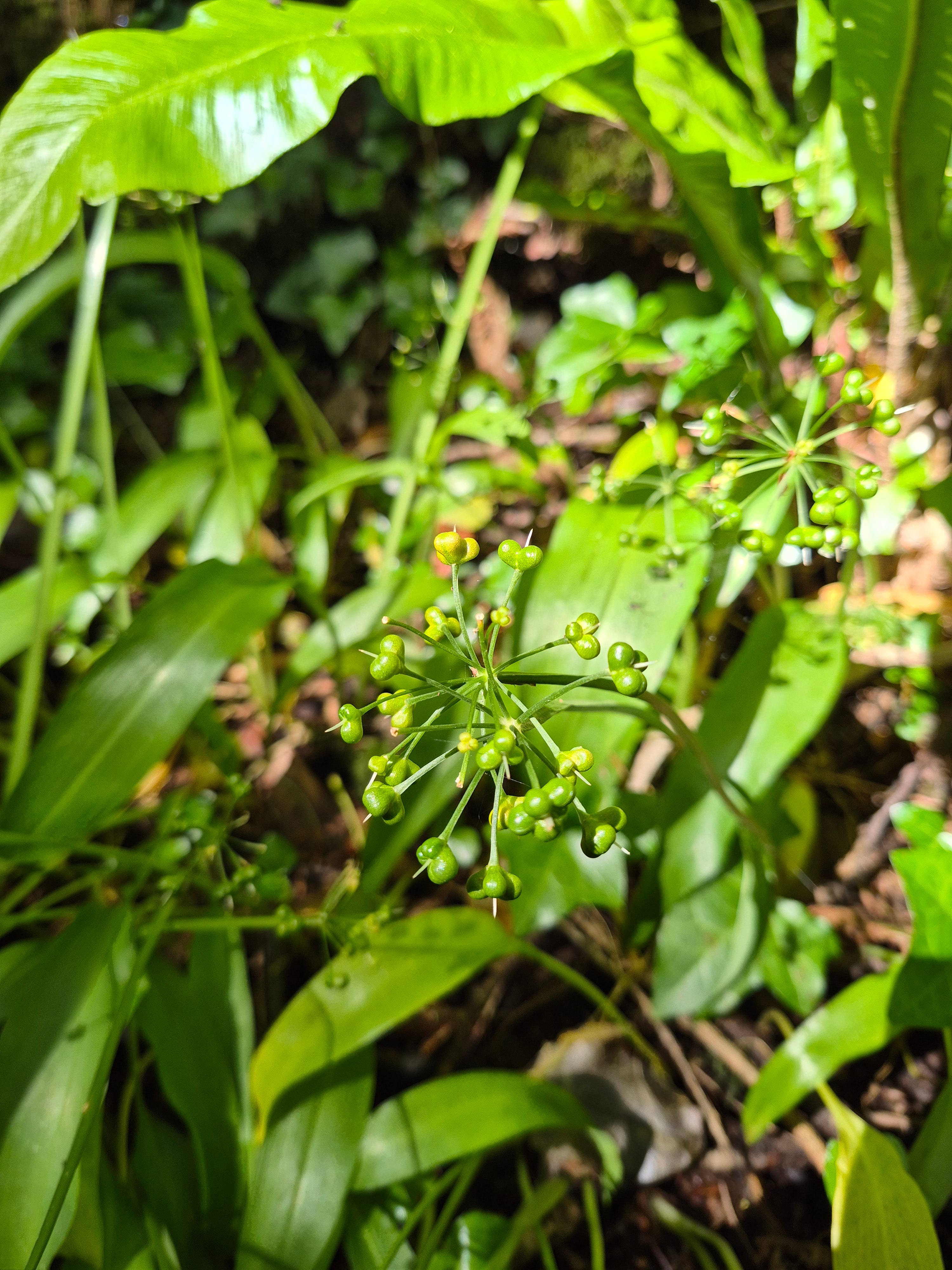
This is ramson time.
Wild garlic is one of the true great gifts of the Irish spring and early summer. We tend to celebrate the leaves first, then the flowers, but the seed heads are perhaps the most interesting of all in terms of our journey at Aniar over the last fifteen years. They arrive when the plant is beginning to retreat back toward the ground, when the energy of the leaf has gone upward into flower and seed. They are sharp, green and garlicky.
Blink and you will miss them.
You have to be there at the right moment sometime in early June.
The act of picking them is arduous. You cannot rush it. You go out into the wood, bend down, look carefully, and begin to see what is there. One seed head at a time. Or a cluster if you’re lucky. On your knees in the wood the smell of damp earth and leaf mould rises up. Though June there is still rain and because to this, there is plenty of verdant shade. In a world that asks us to move faster and faster, to create new dishes, foraging asks the opposite.
It asks us to stop.
To look.
To notice.
To take only what we need.
To return to the previous year and think about it.
At Aniar, we salt the ramson seed heads for a week, drawing out moisture and firming their texture. Then we pickle them in malt vinegar for three months. The result is something like an Irish caper: sour and salty, pungent yet alive with the memory of the summer forest. They can be scattered over fish, lamb, or even potatoes, or folded through sauces, where a dish needs a small shock of acidity and garlic. Our roast celeriac with whey sauce always has ramsons scattered over it when it’s on the menu.
There is something beautiful in the transformation of seed head to caper. A plant that appears briefly in the woods becomes a condiment for the darker winter months. June is captured in vinegar. The forest is preserved in a jar. But we always have to think ahead. They can only be picked in June and take three months to make, so we always need to pick enough to keep us going until the following September.
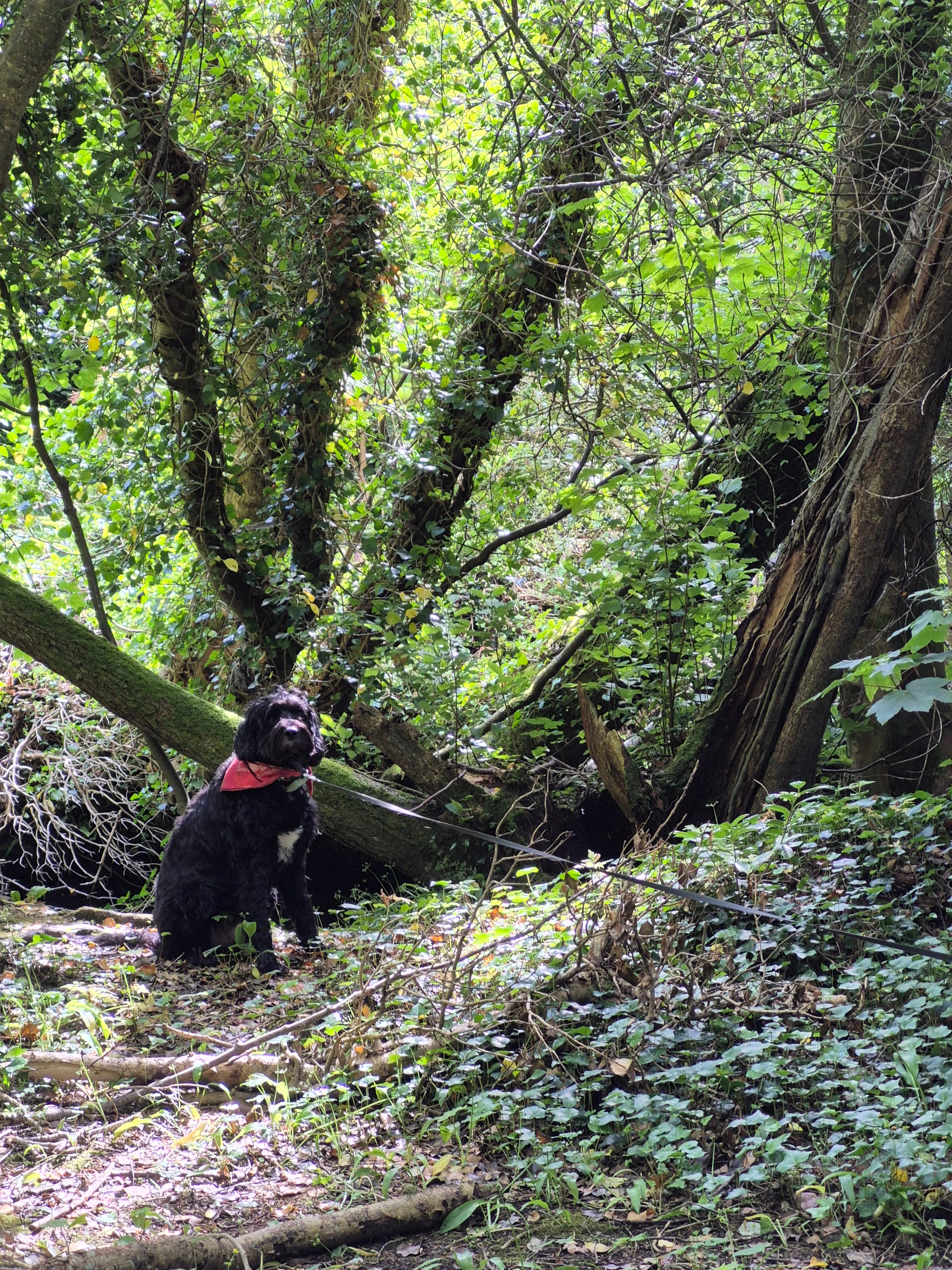
Foraging, at its best, is not just the act of gathering food. It is a form of attention. It is a way of entering the Irish food calendar through the body: knees bent, fingers stained, the senses open to the forest. Ramson capers remind us that Irish food is not only in the field, the farm, or the sea. It is also in the quiet moment when we step into the wood and let the season show itself. Foraging is not an easy undertaking, but it does bring us closer to the earth.
It is an act of mindfulness.
Yours in Irish food,
Jp.
11th June, 2024.
Love this piece JP👏 Its a beautiful description of applied mindfulness using local food and a great reminder to pause and notice; from seasonal awareness to sourcing, food care, food preservation, flavour and dish design. This noticing and paying attention also supports wellbeing and creativity. So it’s a win-win !
Most interesting. In the past I've picked nasturtium seed heads in more or less the same way (very peppery and caperish) but must try this next year. The moment has passed in Yorkshire.