
Where do we go from here?
Reflections on 10 years of Food on the Edge

After ten years of building a global conversation about food from a small city on the west coast of Ireland, I find myself asking: what next? What does it mean to keep going when belief alone no longer pays the bills, but giving up feels impossible? Where do we go from here?
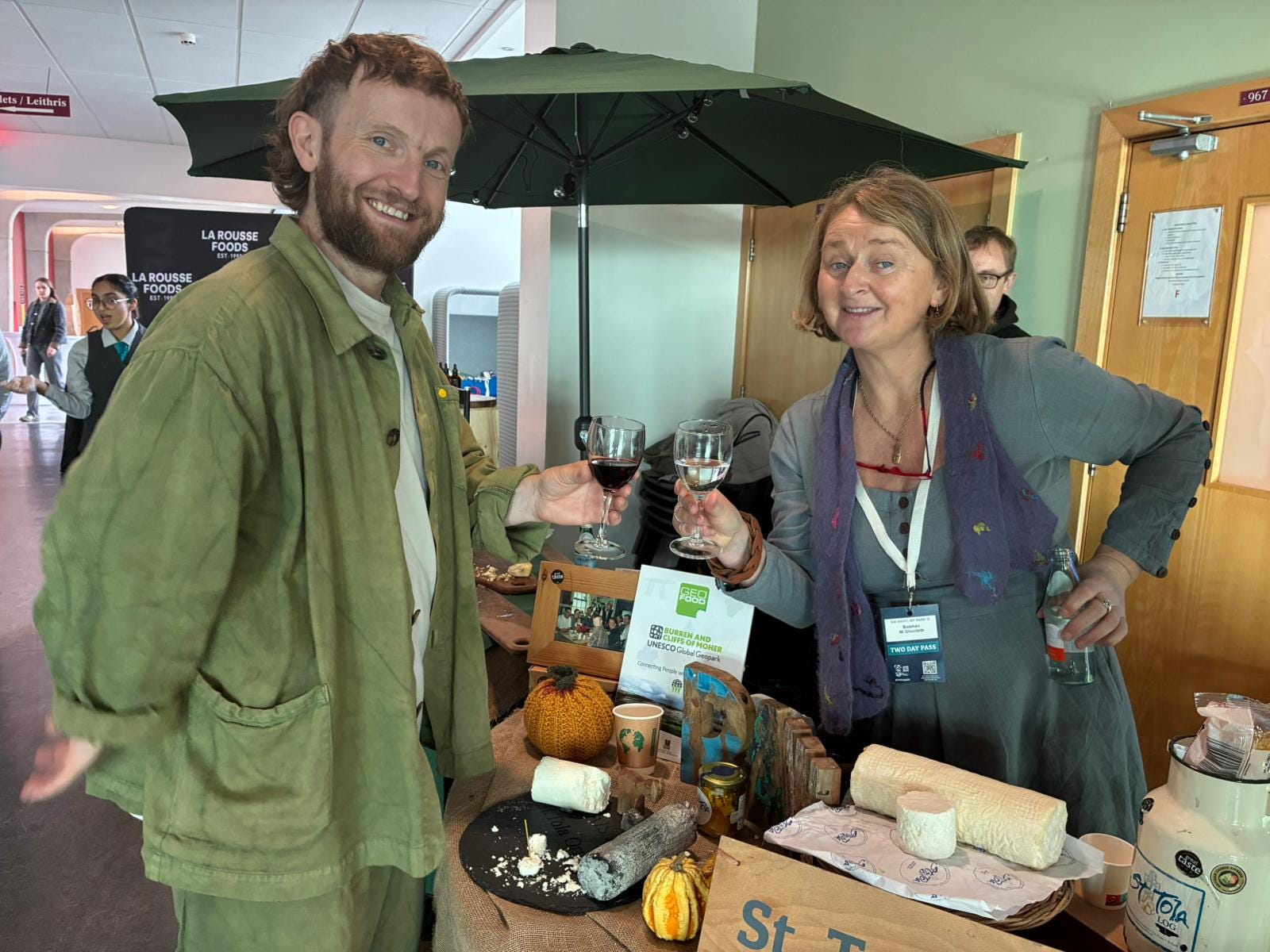
A Bittersweet Celebration
It was with a modicum of sadness that we celebrated ten years of Food on the Edge, our symposium that, for a over a decade, has tried to challenge the way we think about food and its culture at home and abroad.
The momentum of Food on the Edge has never been so great, yet ticket sales have never been so poor. The international recognition is palpable: chefs, writers, and thinkers from across the world praise the event, want to come, wanted to contribute, to add to our small global community. And yet, the Irish faces in the audience are few and far between.
Our national funding, which sustained the project financially as well as spirituality has ceased.
Why was this?
Was it the time of year?
The ticket price?
Or something deeper? A collective fatigue, an indifference toward food as a subject that demands thought and not just consumption?
If it’s not an act of pleasurable eating, then does it really matter?
Swimming Against the Current
Putting on Food on the Edge in Ireland has never been easy. It has always felt like swimming against a current, the cold Atlantic current of practicality and suspicion that runs through Irish life when it comes to talking and thinking about food.
Is it not enough just to eat it?
Do you have to talk about it as well?
Of course, we love to eat in Ireland, but we’re still unsure about talking about food. We celebrate it on the plate, but struggle with it as an idea.
We don't to go beyond our station, or get notions. We are an island of producers after all.
Perhaps we need to shut up and just get back to the potato fields, leave the thinking and talking about food to a superior nation of food enthusiasts.
Spain, perhaps?
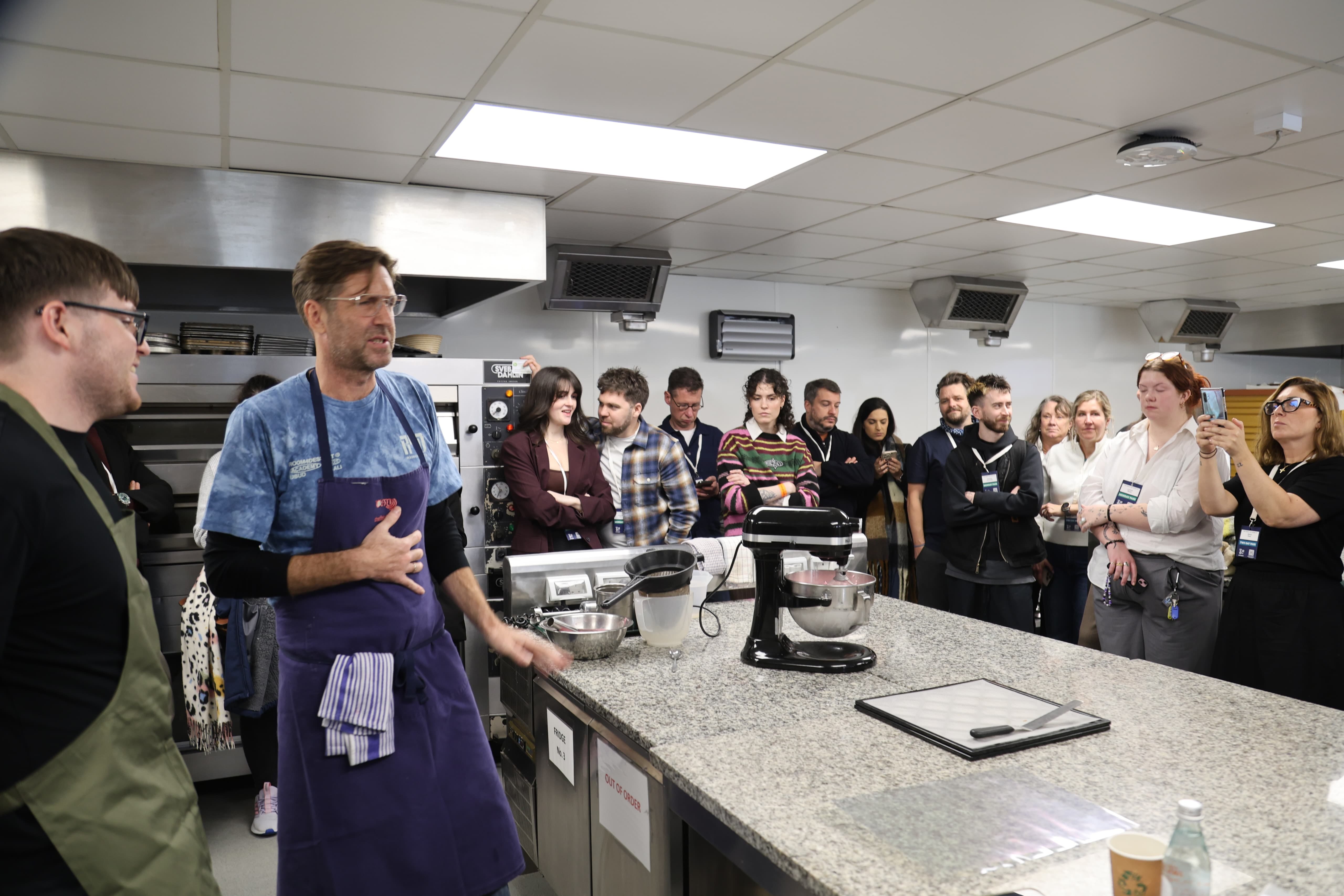
For ten years, we’ve built a space at Food on the Edge that tries to link the two aspects of Irish food: a space where chefs, farmers, activists, and artists come together to imagine what food might mean, when its not on the plate, when its not in the field.
When its just an idea, when it has yet to form into something that can change the world.
Each year, it has felt like a small miracle that the symposium happened at all. A year’s worth of planning, fundraising, cajoling, and hustling goes into two intense days of conversation. There are no safety nets. No national agency waiting in the wings to underwrite a food culture that doesn’t fit neatly into tourism or industry boxes.
We have been sustained by belief, a belief that food matters, that it deserves intellectual, ethical, and creative attention, that it is more than just itself, than food can be art, literature, theatre, philosophy, politics, film, and whatever else you want it to be.
And yet belief can be exhausting. Ten years in, I find myself asking whether the same stubbornness that has kept us alive might also be blinding us. All movements, after all, have their lifespan. Do we stop now, before fatigue turns to cynicism? Before I turn against the thing that I love, and, as Oscar Wilde wrote in The Ballad of Reading Gaol, kill it.
Or do we adapt, evolve, shrink, or shift into a different form? Have no audience, have only speakers, do communal dinners, or something else.
Something we have yet to imagine.
A Decade on the Edge
When we began Food on the Edge in 2015, it was little more than an idea: that Ireland could host a global conversation about food, not just about recipes or restaurants, but about responsibility, about what it means to feed others, to nourish, to create culture through cooking.
The model was simple: bring the world’s best thinkers and chefs to Galway and let them speak freely. No sponsorship scripts. No commercial agenda. Just ideas.
An event that would build a food community, that would bring people back again and again, an event that would create a sense of belonging, a movement that all could be part of, a family, of sorts, something unlike any other symposium that I had encountered.
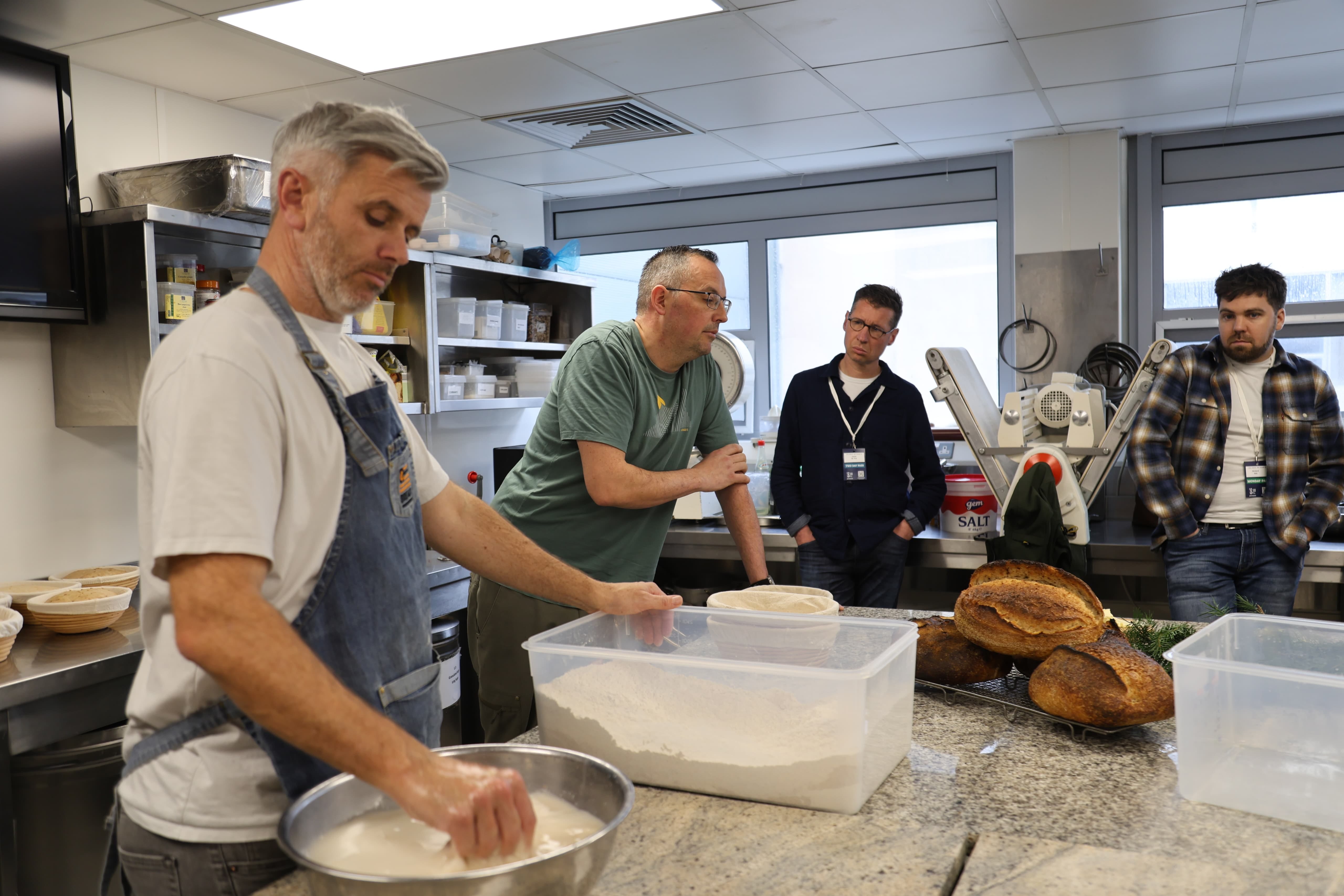
Over the years, we’ve heard chefs from Peru to Copenhagen, from Ghana to Tokyo, speak about identity, memory, climate change, waste, and much more. We’ve heard Massimo Bottura talk about art and waste, Dan Barber about seeds and soil, Douglas McMaster about zero waste, Joshna Maharaj about social gastronomy and countless Irish chefs and producers to share their hopes for an authentic Irish food culture, a new Irish cuisine that would somehow escape our colonial past.
We’ve tried to ask uncomfortable questions: What does sustainability really mean? Who gets to define local? What happens when food becomes luxury rather than necessity? Can we really achieve a zero waste restaurant? How do we educate the next generation to see food not as a commodity but as connection? Does speaking about food matter at all?
And yet, for all the ambition, there’s a persistent sense that we’re speaking into a void, that Ireland, as a nation, hasn’t yet made peace with the idea of food as culture, that we are too immature as a people, as a nation, to realize what we have, to embrace it, to be the best, to shake off our colonial shame.
The Irish Food Paradox
We live in one of the most beautiful, fertile, and inspiring food landscapes in the world. We have grass-fed dairy, extraordinary seafood and shellfish, vegetables that still taste of the soil, wild game that speaks of the great history of this island.
And yet, we still talk about ‘discovering’. Irish food as though it were a new thing. We still talk of ‘building’ a food culture as if it wasn't already here.
We are afraid.
Naturally, part of this is historical. Our relationship with food has been marked by trauma, by famine, by poverty, by emigration. Food, for generations, was something that could disappear. To speak of it too lovingly was a kind of luxury. So we learned to be modest, to keep our heads down, to cook quietly, to eat without speaking.
To make sure that we understood that food wasn't important, or rather that it wasn't the most important thing. It was something you did in between everything else, something you did when you weren't out there living your life.
Food was just fuel.
But that history also means we sometimes mistrust celebration. We are a country that produces world-class food but hesitates to fund the cultural platforms that support it. We will fund tourism campaigns about food, but not the independent, critical conversations that make that food matter. We will promote food internationally, not as a cultural experience but only as a commodity.
Please come to Ireland and buy our food, tell us it’s good, because we do not have the confidence to recognize it as such.
When we started Food on the Edge, the idea that chefs could be intellectuals, artists, or activists was still a novelty in Ireland and the world. Now, a decade later, the world has caught up, but Ireland still lags behind in seeing food as part of its cultural infrastructure, as part of its identity, as part of its essential story.
Theatres get grants. Orchestras get endowments. Writers get bursaries. Artists get a living wage.
Food? Food is still left to fend for itself, unless its a product to be bought and sold.
We can't conceive of food as culture in Ireland. It is anathema to our identity as a nation.
The Cost of Belief
This year, for the first time, I felt the weight of that indifference. The ticket sales slowed. The social media attention dulled. The Irish press, which once championed the event, looked elsewhere.
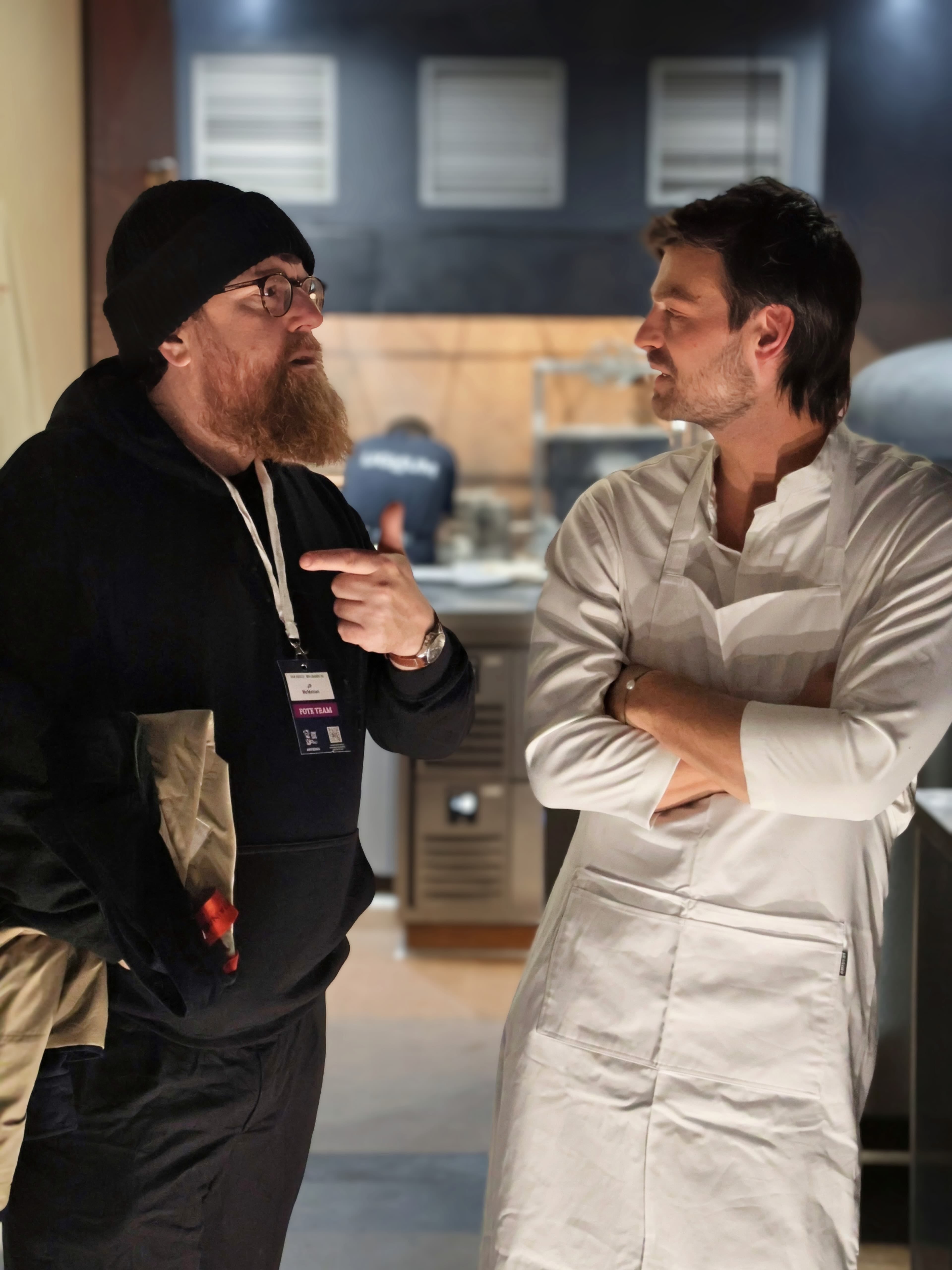
We were no longer relevant. We had been put out to pasture, or sent off to the nursing home, to quietly shut up and die.
Would this happen if Food on the Edge was in Barcelona or Copenhagen? Or New York? Would Irish chefs and journalists be desperate to get to the event, to make sure we were seen on the world stage, to make sure our voices counted.
And yet, behind the scenes, the energy was the same: the volunteers, the small crew, the delegates, the loyal sponsors, the returning speakers who still believed in the simple vision of Food on the Edge: build it and they will come. Food culture is within our grasp.
But belief doesn’t pay for stages or lights or flights. It doesn’t pay the small team that makes it happen. And as we grow older, the romanticism of scraping by loses its charm. There’s only so long you can live on goodwill and idealism.
It Ireland stops listening, is it time to stop too?
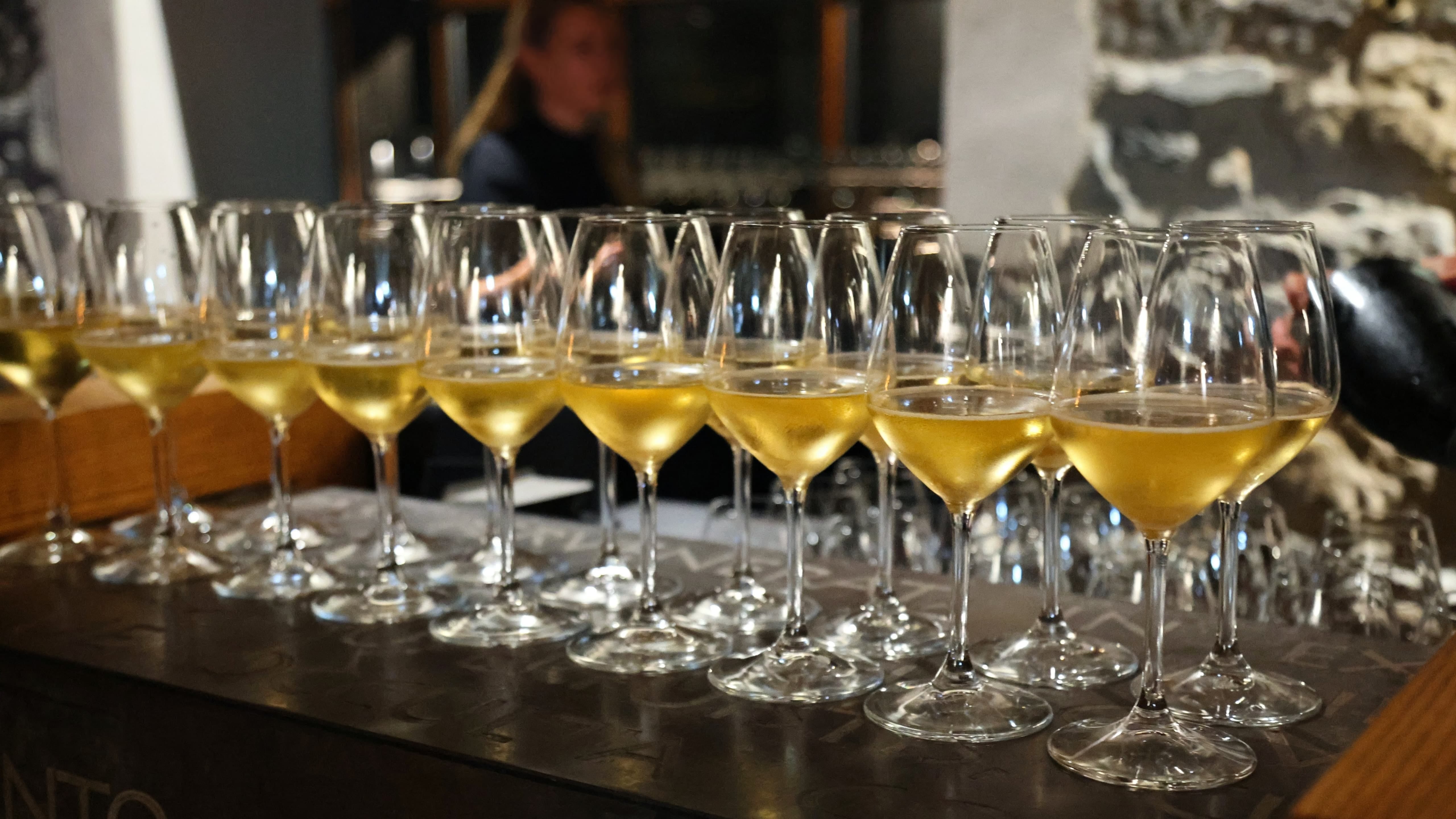
What else is there to do? To give up would feel like an admission that food, and by extension, culture, doesn’t matter in Ireland unless it can be monetised, packaged, exported, or shoved down the mouth of an American tourist. That the work of thinking, reflecting, and connecting is indulgent rather than essential.
What We’ve Built
Over ten years, Food on the Edge has brought hundreds of chefs and food entrepreneurs to Ireland. Many have gone home and spoken about Irish food in a new light, not as a curiosity, but as a source of inspiration. It has fostered networks between Irish producers and international chefs. It has mentored young cooks and students. It has sparked documentaries, essays, papers and friendships.
When I travel abroad, I am often reminded how much Food on the Edge is admired. People in London, Barcelona, Tokyo, or Melbourne mention it as a model of how to create dialogue in food.
Yet here at home, the question remains: “What is it exactly?” As if it still needs to justify its existence.
Perhaps that’s the Irish condition, to be sceptical of anything that looks like success. To ask whether someone might be “getting notions.” But what Food on the Edge has always tried to do is precisely the opposite: to root food back into humility, community, and care. To remind us that food isn’t about ego, but about belonging.
Going Forward
Where do we go from here?
I don’t yet know.
Maybe we take a year off. Maybe we reinvent it in a smaller, slower form. Maybe we find a way to bring it into schools and towns, to make it less a symposium and more a series of conversations.
Maybe Food on the Edge was always meant to be temporary, a flare shot into the dark winter skies of Ireland, reminding us that food is culture. And maybe its afterlife is not another event, but a shift in how we think, cook, and talk about food in Ireland.
Maybe we can grow up without it, maybe its the parents that we eventually leave, the childhood home that we move beyond.
We’ve achieved more than I ever imagined. But there’s also a sense that the country hasn’t quite caught up with the vision that we are still, in some sense, on the edge.
Perhaps that’s fitting. Ireland has always been an island at the edge of Europe, sending out ideas, people, and dreams, waiting for them to return changed. Our artists, writers and musicians have gone before us, perhaps our chefs need to do the same.
Maybe Food on the Edge is part of that rhythm, a thing that must go out into the world before it can truly be understood here.
The Edge Endures
In the end, Food on the Edge has never been about perfection or permanence. It’s about possibility, about the belief that food can be a language of change, of Irish cultural identity.
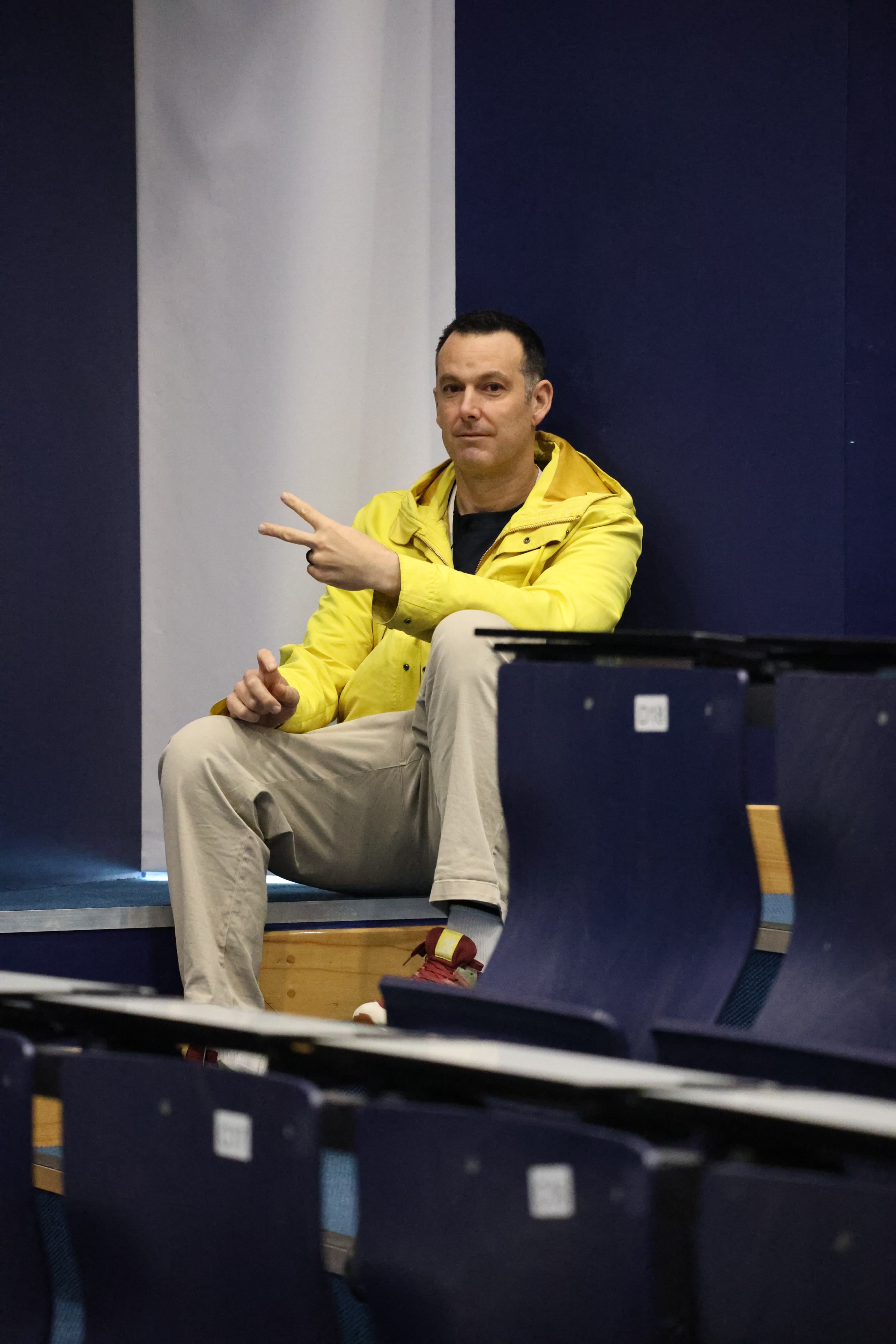
And though I sometimes feel exhausted by the struggle, by the endless grant applications, the emails unanswered, the polite nods from officialdom, the useless awards.
I also know that something deeper keeps calling.
The same reason we cook.
The same reason we gather.
To imagine a better way to live and eat. To connect through the simple act of sharing food and stories.
So perhaps the answer is not to stop, but to go on.
Not because it’s easy, but because it matters.
As my own hero Samuel Beckett wrote, and perhaps he was writing for all of us who keep trying to make meaning in a world that doesn’t always want to listen: “I can’t go on. I’ll go on.
Keep the faith in Irish food.
Jp
29th October, 2025.
It sounds like, from the people who do attend, it would be tragic to lose. I can’t speak to what’s going on in Ireland, but I can say from organizing a variety of culinary events here that it does feel like fatigue has set in for some regular attendees of these kinds of events. I don’t have data on this, but my feeling is people who truly care about food systems and not just trendy food, tend to also care about the world we live in and right now that world is oppressive.
Was mine and my partners first year attending and honestly it would be such a shame if this event does keep going we’re both young chefs and an event like this is such an incredible source of inspiration and such an important moment for us being able to listen and talk with our idols and meet and find new idols new friends new passions and interests. This is what the industry needs and I hope to visit the event every year as long as it’s running.
Dylan and Keira