
On the Edge of the Table
Food on the Edge and the Social Space of Eating in Ireland

Jean-Pierre Poulain, the French sociologist of food, writes that eating always unfolds inside a “social space”, a field where economics, culture, ethics, and pleasure collide. In this space, cooks, farmers, diners, policymakers, and storytellers all play their part. Food is never just sustenance, even we imagine it as so.
It is a system of meanings, constantly made and remade through conversation, ritual, and conflict.
This has always been the way of the world.
When I think about Food on the Edge, the symposium we built over the past decade, I realise it is itself a kind of social space made visible, a temporary architecture where the contradictions of contemporary food culture come to the surface.
Each October in Ireland we gather chefs, thinkers, activists, entrepreneurs and dreamers from across the world. For two days they tell stories about why food matters to them. Yet beneath the stage lights, Poulain’s tensions hum like a Lynchian dream: the individual and the collective, the local and the global, the ethical and the hedonistic.
A chef speaks of regenerative farming while another celebrates luxury dining. A farmer warns of ecological collapse, a restaurateur describes menus of hope and simplicity. Pastry chefs give masterclasses, talks on fermentation proliferate like koji spores. Each talk, each conversation over coffee, becomes a node in the network Poulain describes, where ideas of “good food” are negotiated, resisted, sometimes romanticized, and lastly made real.
The brute material reality of our food space sometimes just gets you down.
You leave more confused than you when you arrived.
And then there is Ireland itself, a country still learning to trust its own appetite. We may have travelled far from the shadows of famine and the suspicion of pleasure, but our national food discourse remains fragile and complicated. In Poulain’s terms, the Irish food social space is still forming, still struggling to find its feet, to assert it, to grow beyond the commodity culture wherein it has found itself.
It lacks the deep infrastructure of dialogue found elsewhere in the world. Perhaps that is why Food on the Edge has always felt slightly precarious: internationally acclaimed, yet locally fragile.
Often tickets sell to chefs in New York, Wellington, Amsterdam and Copenhagen faster than to those down the road. Government support flickers on and off like a faulty light bulb. We are lauded abroad and questioned at home. Poulain might see this as a symptom of imbalance, when one axis of the social space (the global) overshadows another (the local) , the field trembles. Without both, the conversation loses its grounding.
There is no point building a food culture only for those who travel from afar. We need to build it for the people down the road. Food on the Edge is a double sided community, a fusion of local and global interests.
Because at the end of the day, all we have is each other in the present.
There is something essential about holding this edge. In its best moments, the symposium becomes what Poulain calls a “social laboratory”: a place where new meanings of food can be imagined, a kind of carefully controlled anarchism. Around our shared meals, the technical, the symbolic, the material and the social intertwine. Knowledge meets emotion, debate meets generosity. Sharing is the golden goal.
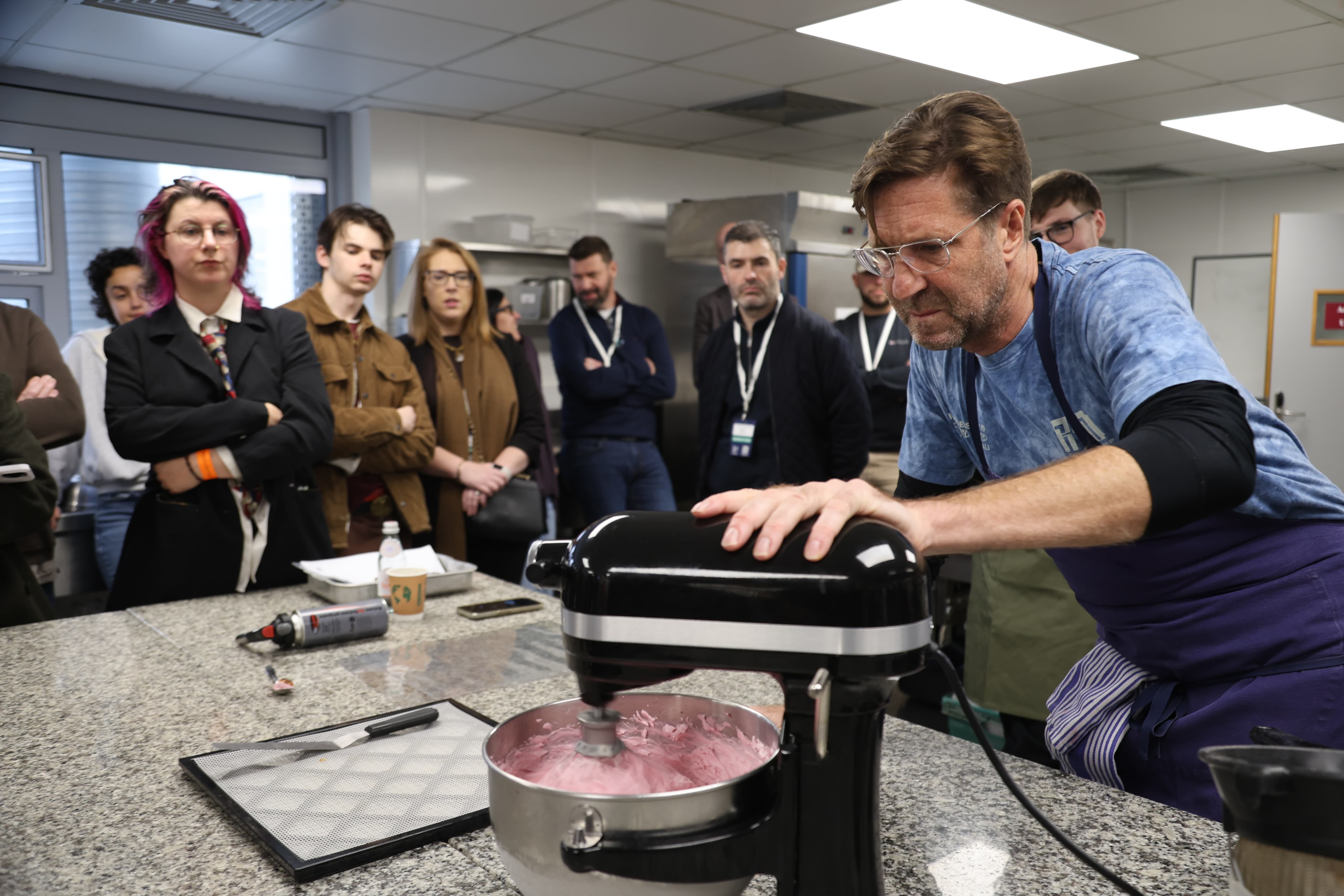
Perhaps that is the real work, not the perfect plate or the flawless talk, but the creation of a space where difference can sit at the same table. In an age of fractured attention, Food on the Edge insists that food is still a public language, one capable of expressing care, anger, joy, and responsibility.
As we look toward the next decade, I wonder what it means to keep that conversation alive in Ireland, to build a food culture that belongs to everyone, not just the few who can afford to travel to the edge. Maybe the task now is to bring the edge home: into schools, communities, and kitchens where the future of eating is quietly being decided.
But how do we spread this message? It's time to regroup, rebrand. Food on the Edge was always changing, each year, but we need to get that message of change across to the food community in Ireland.
Food on the Edge concerns itself with all aspects of food in Ireland and abroad. Because everyone, everywhere, has the same problems when it comes to the social space of food.
Poulain reminds us that food’s social space is never fixed. It breathes, expands, contracts. It gives way to dreamers as well as industrialists: the good and the bad.
It is a living thing, like koji.
It lives through the people who inhabit it. Food on the Edge has always been about breath, about the exchange between voices, between worlds, between different ways of thinking about food.
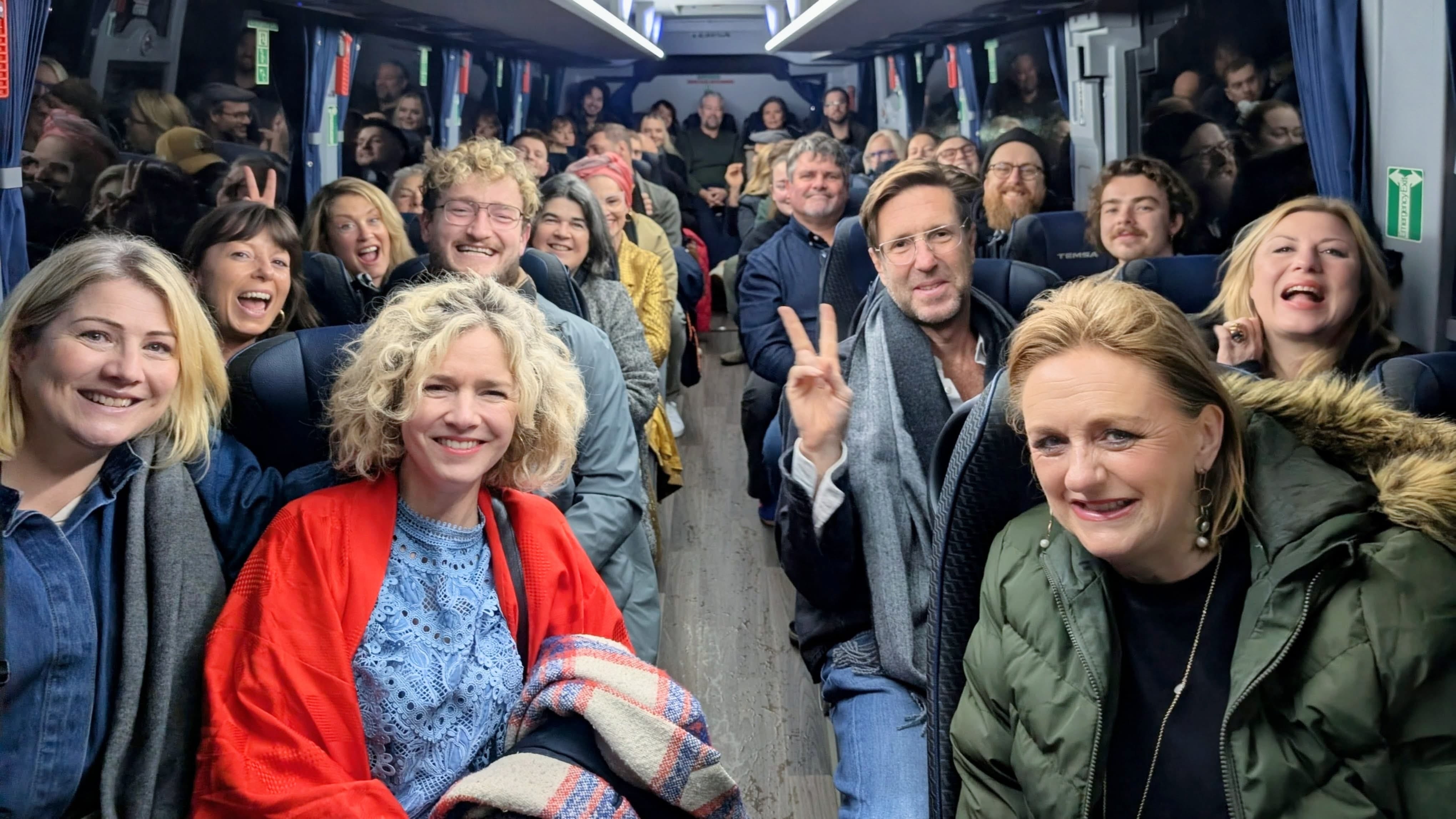
Because all good food needs to flourish.
In any shape of form.
On the farm.
In the field.
On the plate.
Wherever it find itself in the world.
Best, Jp.
2nd November, 2025.